

Nissan Rogue MPG & Performance: Fuel Economy by Model Year
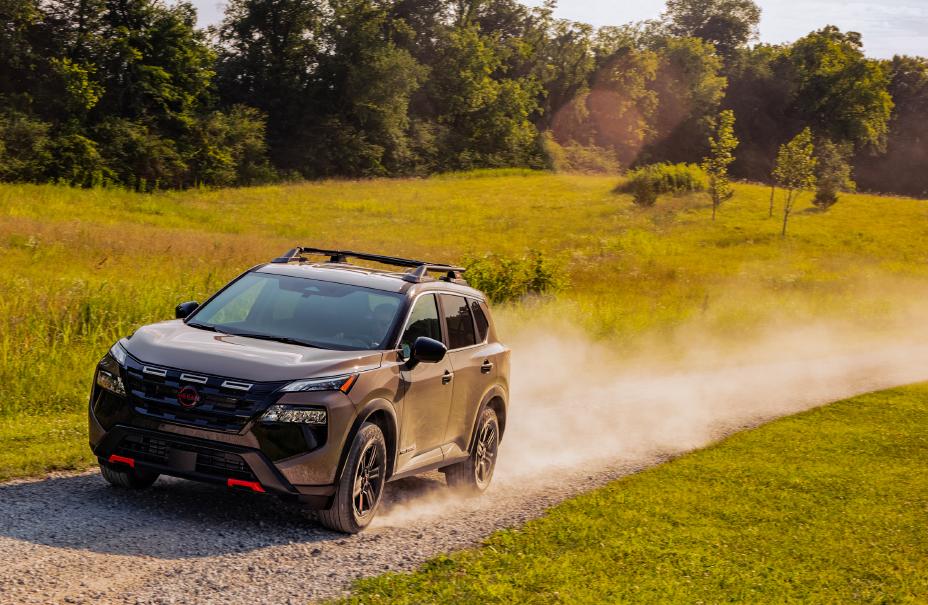
The Nissan Rogue has evolved considerably since its introduction, with changes to its engines, transmissions, and overall design influencing fuel economy and performance. Early models focused on everyday practicality, while newer generations have placed greater emphasis on efficiency without sacrificing the power and interior space drivers expect from a compact SUV.
Whether comparing an older used Rogue with a newer model or researching the latest version, understanding fuel economy across the lineup can help explain how the SUV has changed over time.
Nissan Rogue MPG by Model Year: 2020–2026
Fuel economy varies by model year, drivetrain, and trim. The following table provides a historical overview of representative best-rated gasoline-powered configurations.
Figures are representative EPA-derived ratings for selected gasoline configurations. Actual MPG varies by drivetrain, trim, and equipment. Verify individual model-year specifications before publication.
The table highlights several important developments. Early Rogue models generally delivered combined fuel economy in the mid-20s. The 2014 model year brought improvements, and later versions reached approximately 29 mpg combined in their most efficient gasoline configurations.
A redesign for 2021 brought another step forward, with select models achieving up to 33 mpg combined. The 2022–2025 lineup maintained that peak rating, while the 2026 Rogue offers up to 32 mpg combined in applicable front-wheel-drive configurations. The Rogue Hybrid, available for select earlier years, should be compared separately.
Engine Performance and Powertrain Changes
The Rogue’s engine specifications have changed significantly across generations. Earlier models used naturally aspirated four-cylinder engines, while the third-generation Rogue introduced a 1.5-liter VC-Turbo three-cylinder engine for the 2022 model year.
In the 2026 Rogue, this turbocharged engine produces 201 horsepower and 225 lb-ft of torque. Paired with an Xtronic continuously variable transmission (CVT), it provides smooth power delivery for commuting, highway merging, and everyday driving.
The VC-Turbo system adjusts the engine’s compression ratio to balance efficiency and power as driving conditions change. This allows the smaller engine to deliver useful torque without relying on a larger displacement.
Performance differs by model year and configuration, so acceleration figures should be compared using the same drivetrain and testing method.
Front-Wheel Drive vs. All-Wheel Drive
Drivetrain choice affects both fuel economy and driving capability. Front-wheel-drive Rogue models generally achieve better MPG, making them suitable for drivers who primarily travel on paved roads.
All-wheel-drive versions provide additional traction on slippery or loose surfaces, although the added hardware and operating demands can reduce fuel efficiency slightly. Available drive modes on newer models, including Eco, Sport, Snow, and Off-Road modes where equipped, further tailor the vehicle’s response to different conditions.
Real-World MPG and Driving Range
EPA estimates offer a consistent way to compare Rogue models, but everyday fuel economy depends on traffic, speed, weather, tire pressure, and driving habits. Short trips and frequent acceleration can reduce mileage, while steady highway driving may improve it.
Fuel tank capacity also influences driving range. Newer Rogue models have approximately 14.5 gallons of capacity, although specifications can vary by year. At 32 mpg combined, a vehicle with that capacity would have a theoretical range of about 464 miles. Actual range will usually differ.
Comfort, Cargo Space, and Everyday Practicality
Fuel economy is only one consideration when choosing a Rogue. Across generations, the model has served as a practical compact SUV for commuting, family transportation, and longer trips. Newer versions offer modern infotainment features, flexible rear seating, and generous cargo capacity, with specifications varying by model year and trim.
Regular maintenance, proper tire pressure, and sensible driving habits can help preserve efficiency as a Rogue ages.
The Nissan Rogue’s history shows a steady focus on balancing useful performance with fuel economy. Comparing MPG ratings alongside engine specifications, drivetrain, and interior practicality provides a more complete picture of how each generation meets different driving needs.